Newsletter February 2026 – Jurgen & Katja Hofmann
Dear friends,
The new year is already two months old. As a family, we are gradually preparing for the furlough that lies ahead of us.
But before we tell you more about that, we first would like to take you with us to Madagascar — to the villages, the people, and the stories that define our work and life here. Thank you for standing with us, praying with us, and fighting alongside us.
Suddenly back to the Netherlands
In the previous newsletter we mentioned that the work on Madagascar is never really predictable. Sometimes it feels as if we are mostly waiting, and at other times everything seems to happen at once.
When you suddenly have such a busy period, other matters also seem to happen abruptly. A few days before Christmas we received the message that Jurgen’s father had been urgently admitted to a care home.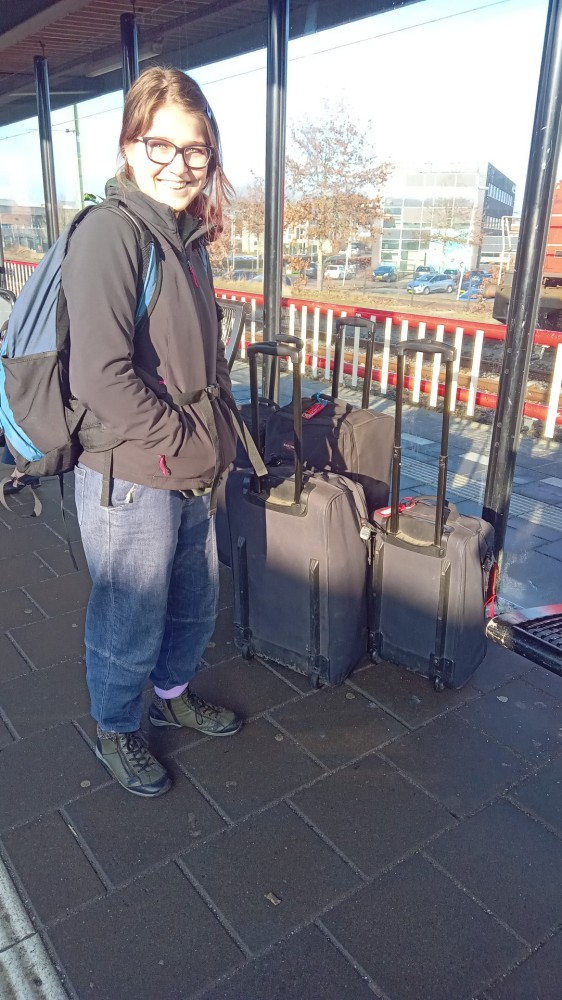
Although the message came suddenly, it was not unexpected. Jurgen’s father had been deteriorating for quite some time. Dementia was doing its destructive work.
On 29 February I (Jurgen), together with our daughter, flew to the Netherlands. Father had not yet passed away, so hopefully we would still be able to see him briefly. During our stopover in Ethiopia we received the message that he had passed away. That was a shock.
Thankfully I had always been able to tell my father everything that truly mattered. We had no unspoken matters. Every time we saw each other, or spoke on the phone, I would tell him how much I loved him. A good habit that we often forget, but in situations like this it becomes clear why it is so important.
A blessing in disguise
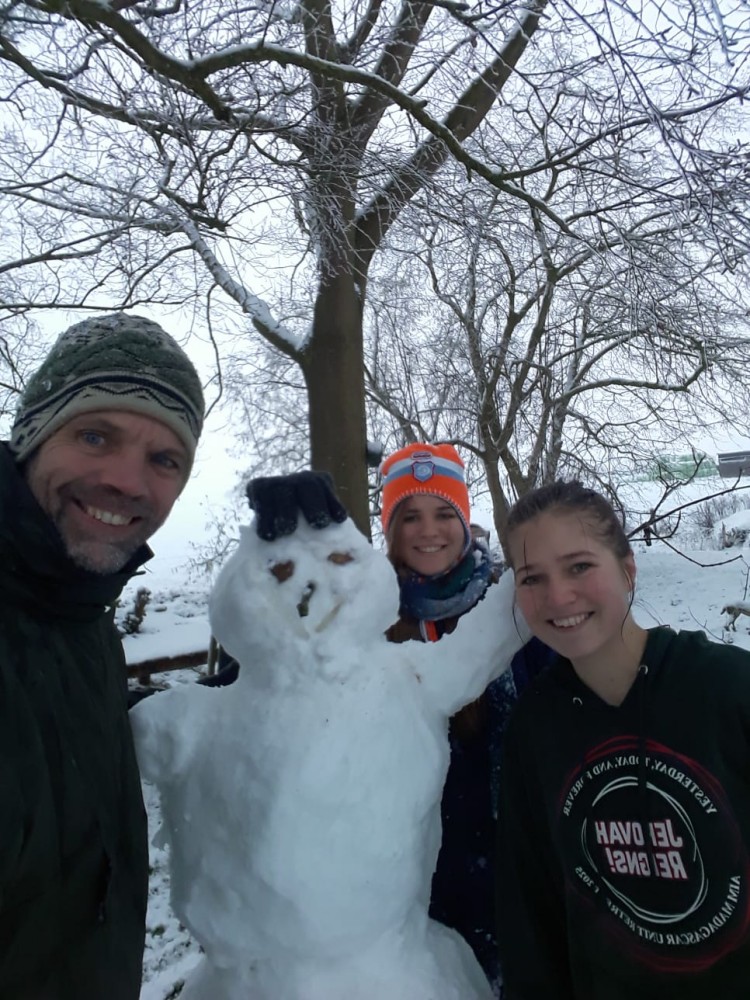
And while the whole of the Netherlands was dealing with various weather alerts, we were mostly able to enjoy the snow and being together. Because public transport in Drenthe and Groningen had largely come to a standstill, our daughter had to continue her studies from home. This meant we could see each other a great deal and take pleasant afternoon walks in the snow-covered forest and countryside.
Back in the village again
At the time of writing we are, of course, back on Madagascar. After a few weeks away it is good to be with Katja and the other children again.
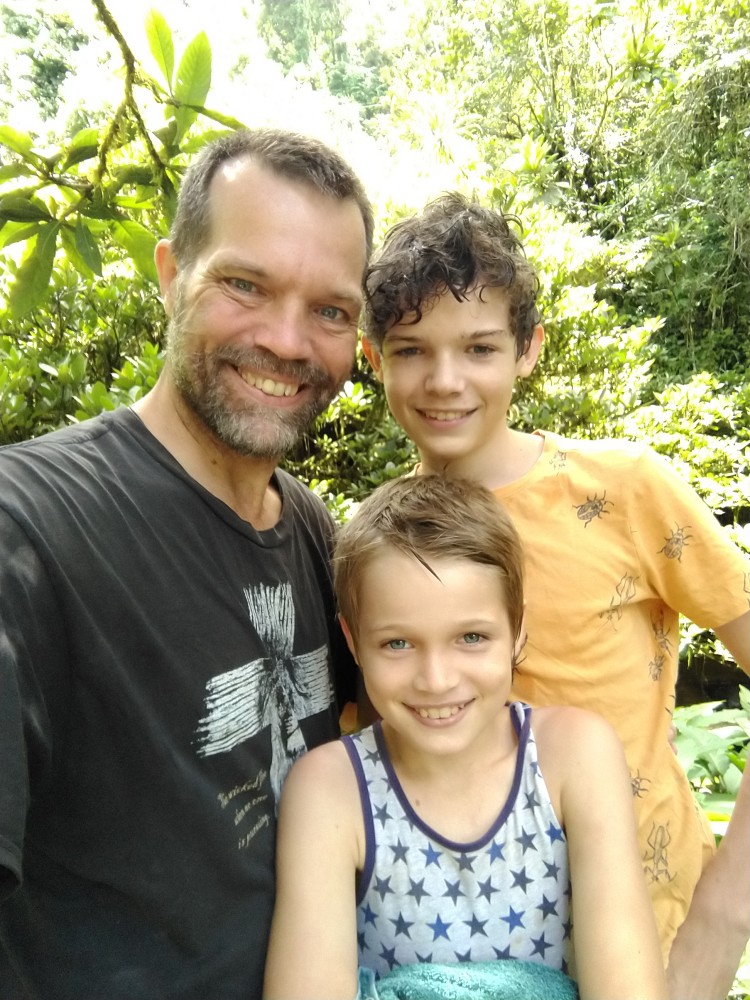
On Monday, 9 February, I travelled to our village with our two youngest children. Our first task was to clean the house again. Spider webs, rat droppings, dead insects, and dust … a lot of dust. Each time it is a matter of checking whether everything still works. Fortunately the electrical wiring from the solar panels was still in order, but the water pipe from the tank to the toilet had broken. Well, it keeps you busy, as they say.
Extremely busy
Everything repaired and cleaned, so on 12 February we were able to receive the group of evangelists. We could only pick them up later in the day because several slopes were still too muddy and slippery earlier that morning. The sun had shone enough to make the road passable again around 13:00.
This was the longest muddy slope. A day earlier we could not get up here at all. If you listen carefully you can hear stones and rocks striking the underside of the car.
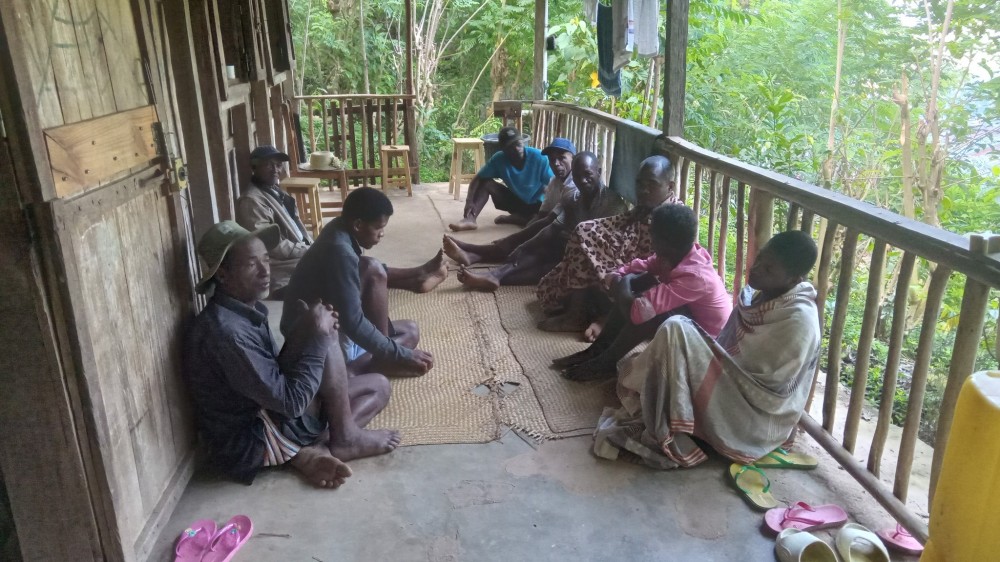
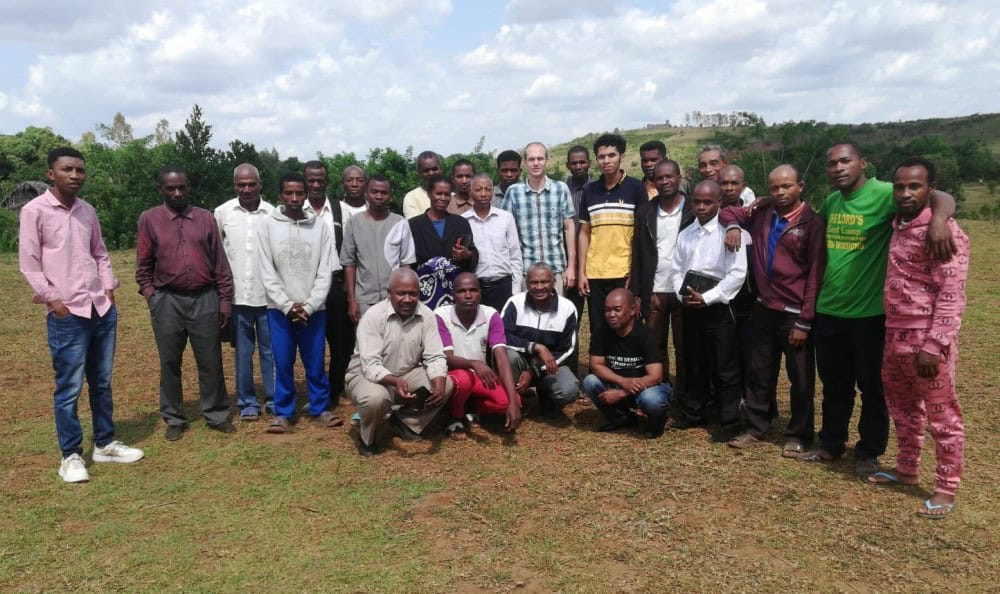
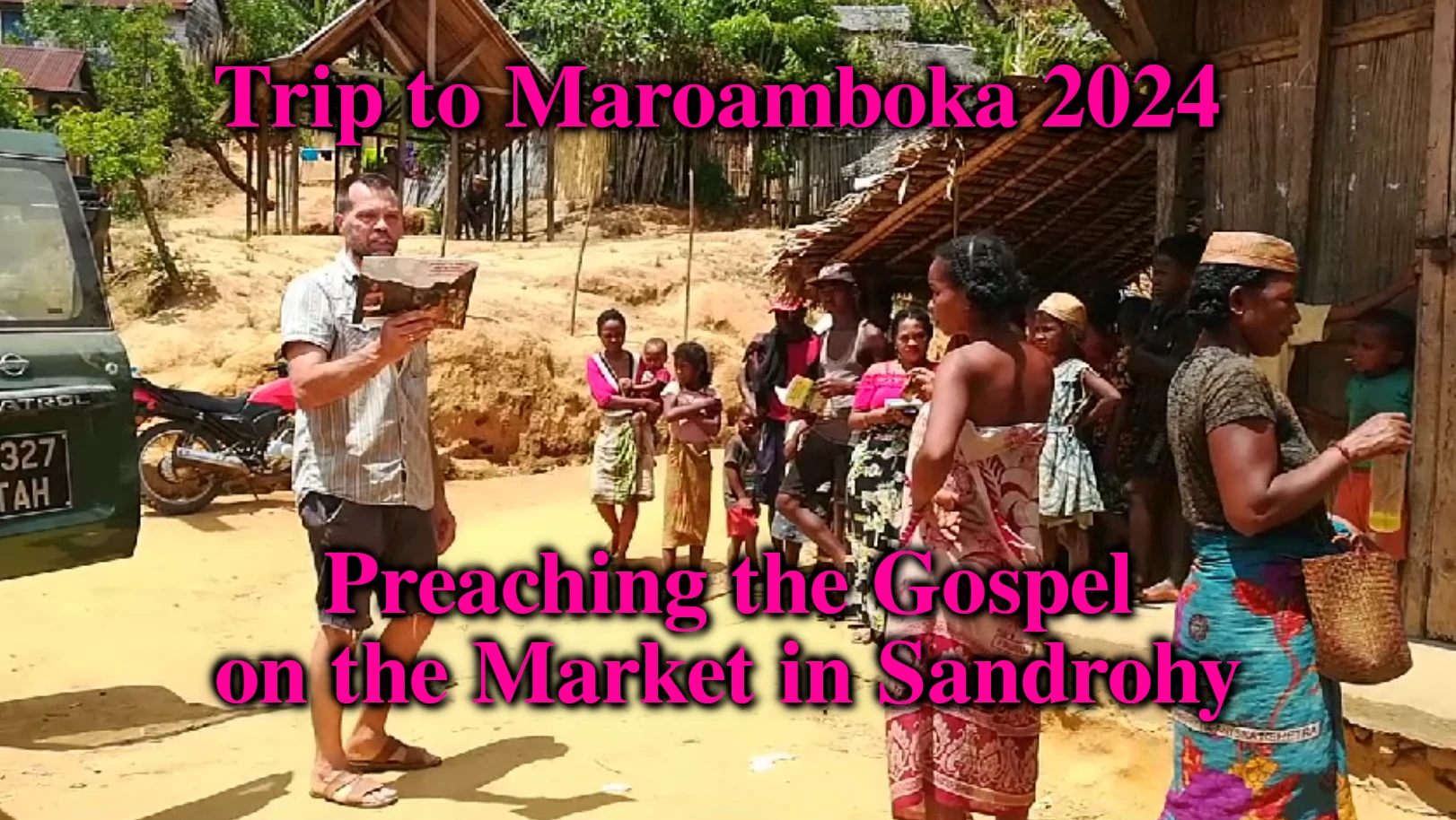
It was a joyful reunion with familiar faces and new ones. Ten people in total — eight men and two ladies. All from different tribes and regions of Madagascar: Vezo, Tsimihetsy, Antaimoro, Mahafaly, Masikoro. What a richness to see people from all corners of Madagascar coming together, united in the Gospel. Each comes with their own dialect, which means our translation work is much needed in order to understand and speak the Antanala language. Thankfully they are enthusiastically helped by local Christians from Maroamboka. The local people know the villages, they know the culture, and people trust them.
It is wonderful to hear from our villagers that the guests are more than welcome. In passing it is mentioned that it can sometimes be difficult to understand them and to make themselves understood in return. But it does not spoil the joy! The people in our area greatly appreciate that these ‘strangers’ have come to explain the Gospel to them. They hang on their every word. Yet it remains a strange experience that I, the white man from a distant country, still occasionally have to function as a dictionary: “Sir!? What does this word mean and how do you pronounce that word? And how should we actually greet the people?” …
It greatly encourages us to see that the work is not only done by us — but now especially by them themselves. That is exactly what we have prayed for over many years.
Then … The return journey, and the Lord was with us!
Afterwards we still had to travel back to the capital. It is a journey of 540 kilometres and if we drove it in one go it would take about 18 hours. We therefore always divide it into two parts. We wanted to be there before the weekend so that we could celebrate our son’s 15th birthday (21 February).
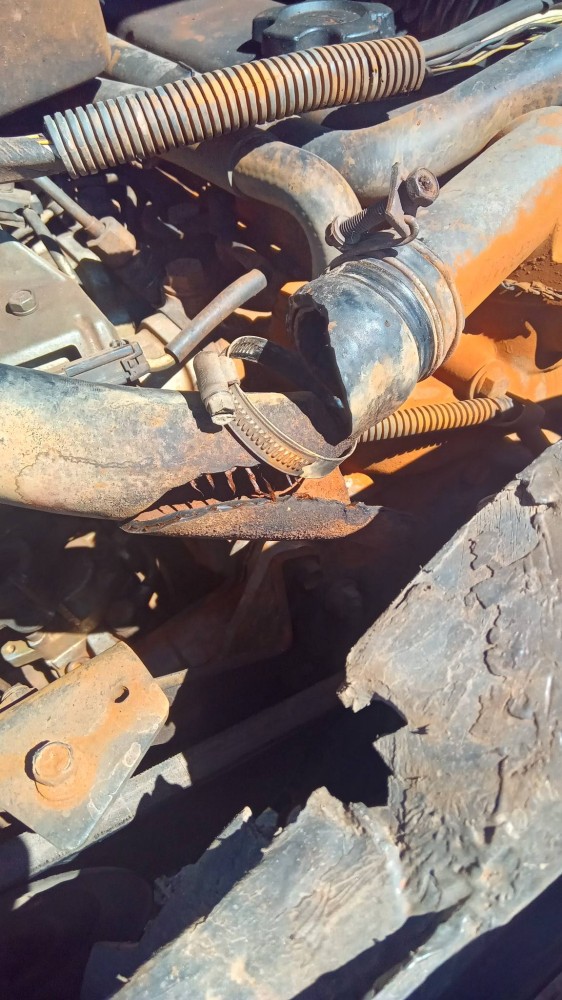
On the second day of travel a strange smell entered the car. At first we thought of the fires burning along the roadside. But oh dear! Soon we came to an abrupt halt … The car had overheated and the temperature gauge had not indicated it. Bonnet open to investigate. Indeed — the coolant hose had burst completely. We were still more than 11 hours’ drive from the capital.
After thinking for a moment I first called Katja to say that we would not be home for the time being. Then I phoned Peter van Buuren in Tana. His mechanics always maintain the car. They knew a good mechanic near us. Those mechanics came to us and after the car had cooled down, the radiator was filled with water and we slowly drove back to a town we had just passed.
The diagnosis was quick, the solution less so. Due to the extreme heat the cylinder head had warped and needed to be resurfaced. With a new head gasket everything should have been fine. Unfortunately it was not so simple. The cylinder head was still leaking and there was nothing they could do about it.
After three days of repairs, we decided that we would have to continue to Antananarivo by makeshift means.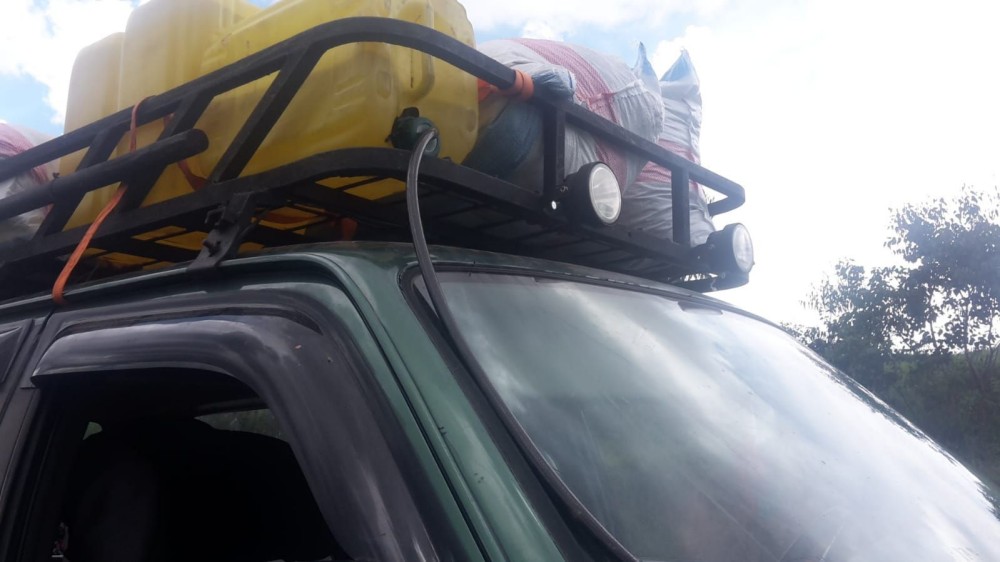
What now? Our son suggested asking the Lord for cooler weather. Hardly had he prayed when the clear sky suddenly filled with heavy rain clouds. It began to rain as you rarely see. The rain continued, and every time we saw clear skies further along the route, they closed up as soon as we arrived there. This cooled the day so quickly that we only had to change the jerrycan every 35 minutes. You can imagine how deeply impressed we were by God’s intervention! He is good and faithful!
These are screenshots from the weather app. You can clearly see how the rain covered our route. Click on the image for a larger version (the time is shown at the bottom).
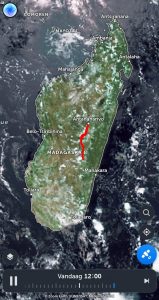
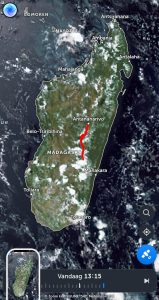
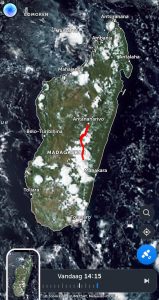
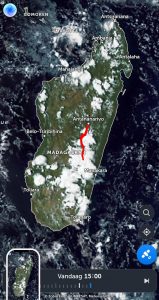
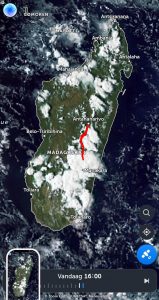
After 16 hours and 30 jerrycan changes, we arrived home at 03:30 on Sunday morning. We drove day and night without stopping. What an adventure!
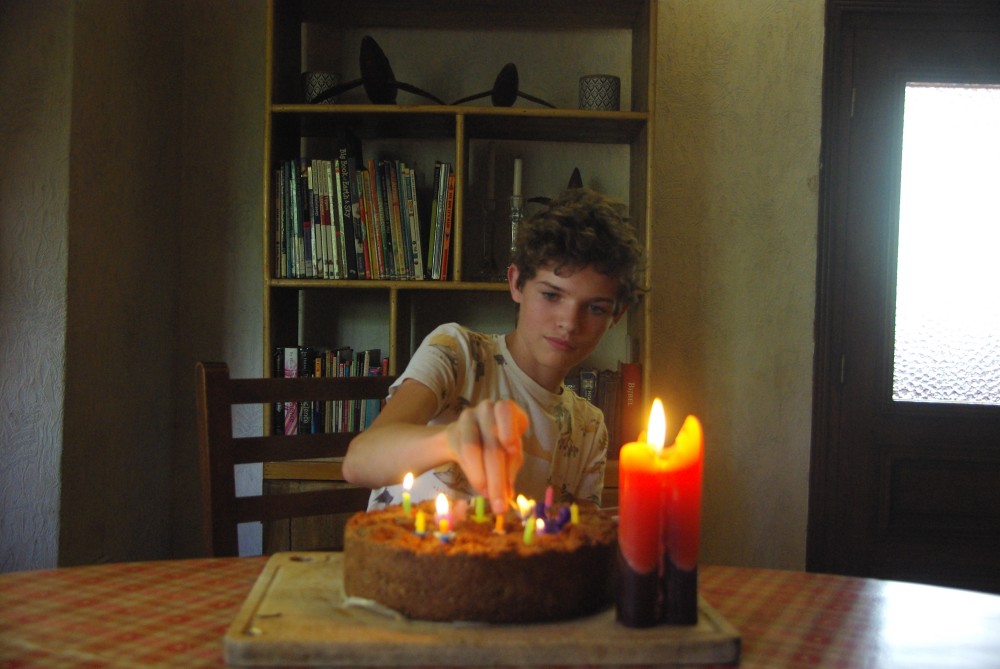
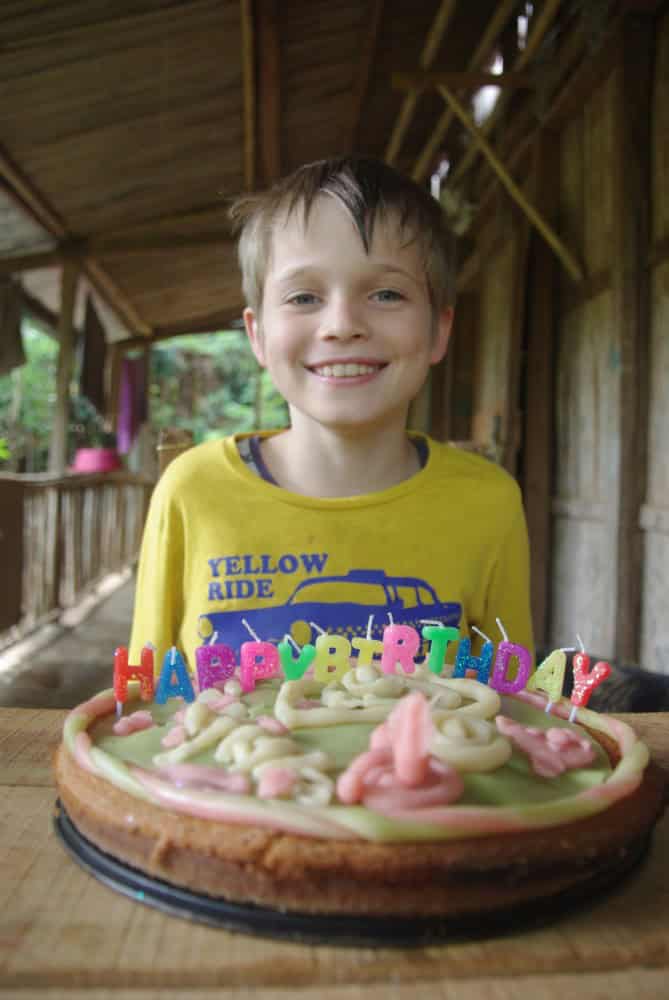
And the birthday? After a few hours of solid sleep we still celebrated it with a delicious homemade apple pie.
In the garage
The car is now at Peter’s garage. The mechanics immediately got to work and took the opportunity to check the entire engine block. Now it is mainly a matter of finding a cylinder head. New ones are available, but a new Nissan Patrol cylinder head is unaffordable. Fortunately, good second-hand cylinder heads can also be found. They only need to be properly resurfaced. Even so, these second-hand ones quickly cost around €600. We still have a buffer in our car fund, but it is not sufficient. Perhaps you could prayerfully consider giving an extra contribution?
On this page you can read how to give for the car.
Furlough to the Netherlands
As mentioned, we are also preparing for our furlough to the Netherlands. Our oldest son hopes to take his final exams, and our second daughter will also sit exams in several subjects. Thanks to Katja, they will be well prepared.
In addition to teaching, Katja is very busy with this year’s school programme and new school materials — what may go back to the Netherlands and which materials we will later take again to Madagascar.
The tickets have now been booked and we hope to land on home soil again on 8 April. We will once more be able to stay in the house of Johan and Miranda van Bijsterveld in Oudewater. Through Stichting Hand we will also be able to borrow a car so that we can be mobile. We are grateful that this could all be arranged so smoothly and quickly.
We have already made the first appointments for presentations and preaching engagements. On this page you can see where we have been invited.
Finally
When we look back on everything we have been able to undertake here, one thing becomes very clear: God is faithful. In everything!
We can make plans, but it is the Lord who directs the work. And we are grateful that we may do this together with you — with your prayers, your involvement, your support, and your encouragement. Let us continue to trust in Him together. For God is good — always. And always — God is good.
Thank you very much.
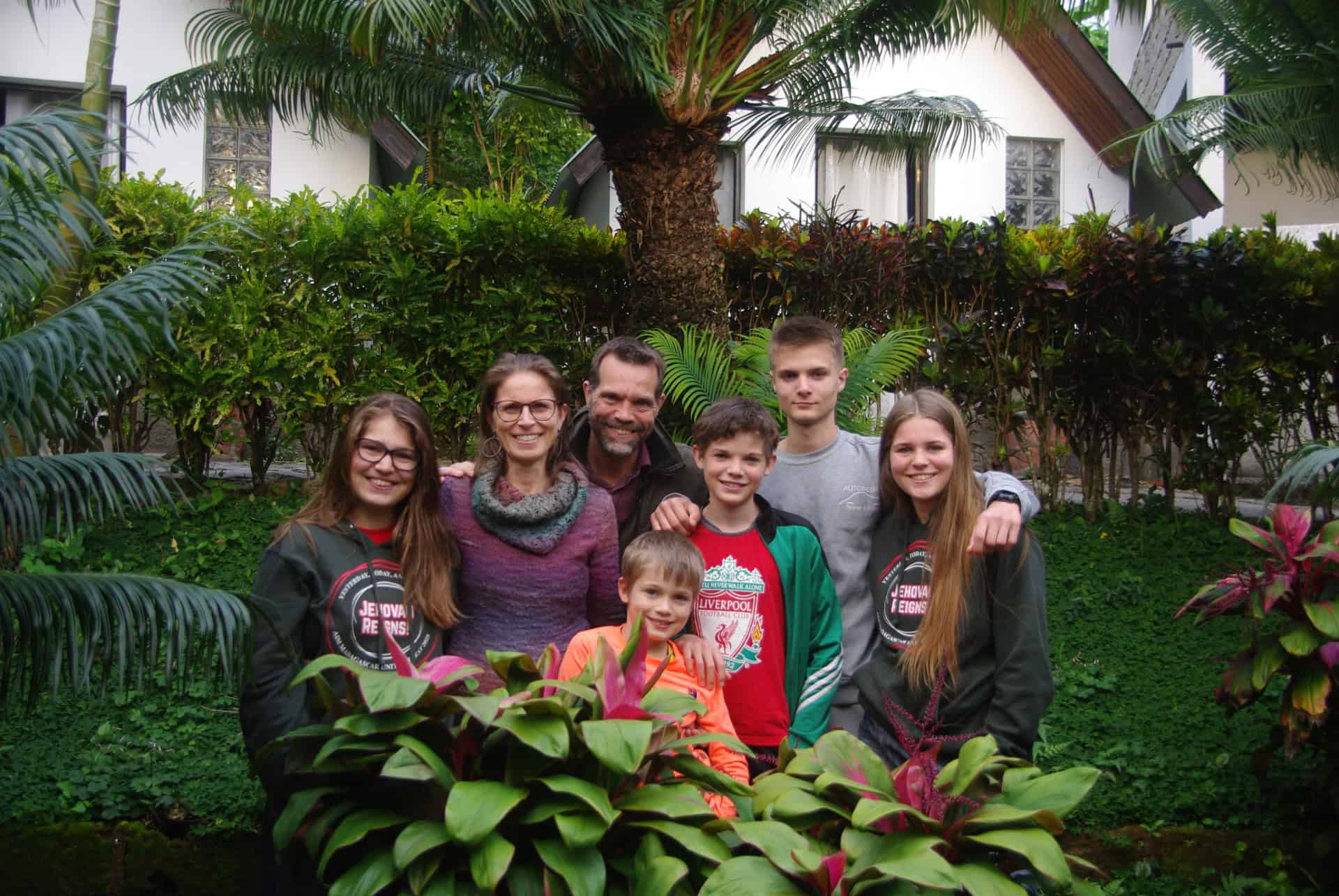
Katja, Jurgen and the Hofmann children
Prayer and Thanksgiving Points
We are thankful because:
- we serve a great and mighty God;
- the local Christians in and around Maroamboka are enthusiastically helping with evangelism;
- we will soon have our furlough;
- children’s exam preparations are going very well.
Please pray for/that:
- our financial situation will be restored;
- the translation work and its distribution;
- the translation of the book of Genesis;
- the additional costs for the car will be covered;
- Katja, as she still has much to plan for the furlough;
- that Katja will find the necessary rest in between teaching.
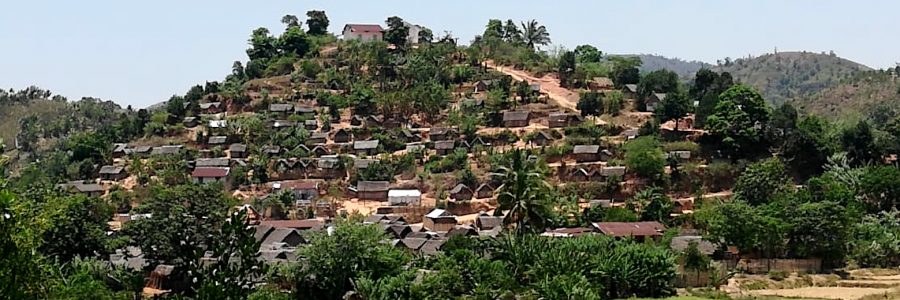

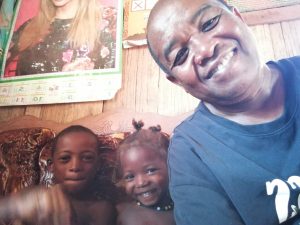
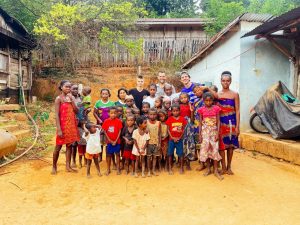


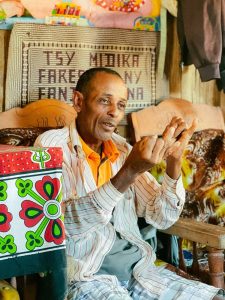
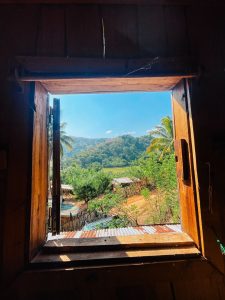




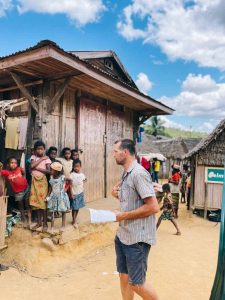
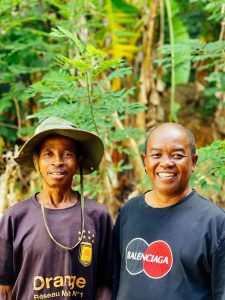

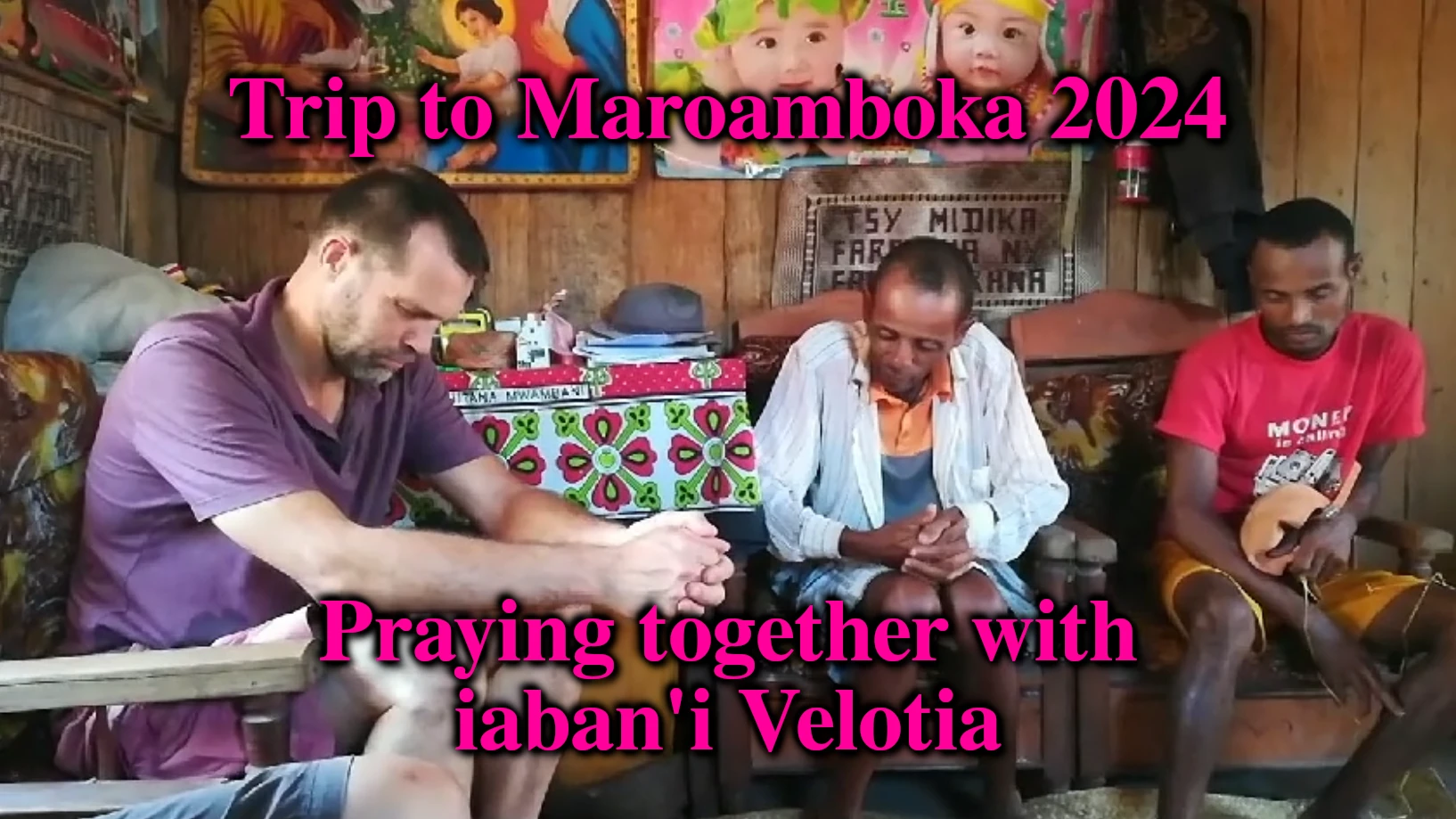
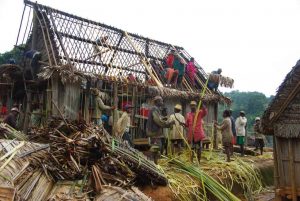 About a year ago, on a Thursday morning, Jurgen was telling the bible stories to the king of Tsiombivohitra. There was another man in the house, an older man. Jurgen did not know him and asked his name: Iaban’i Roly. The coming weeks iaban’i Roly joined the meetings in Tsiombivohitra. After getting to know each other a bit better it turned out that the man officially lived in our village. The reason Jurgen did not see him there yet? Iaban’i Roly was building a new big house (trano-be) and until it was finished he lived somewhere else.
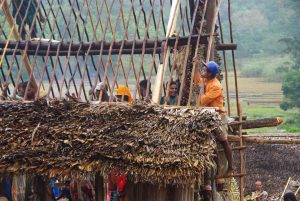 Okay, why telling this? Well, the appointment is very interesting. Iaban’i Roly is not only one of the king of Maroamboka, he is also considered to be a important and powerful witch doctor. Together with his ‘colleague’ witch doctor he has costumers from all around the area. He even receives people from the capital, Antananarivo. They come especially to get a ‘blessing’ or something else only he can provide. The Malagasy fear him. We are not worried. Although the stories are very clear on the practices of the witch doctors, Jurgen is there because he has been invited. He just couldn’t let go of this invitation.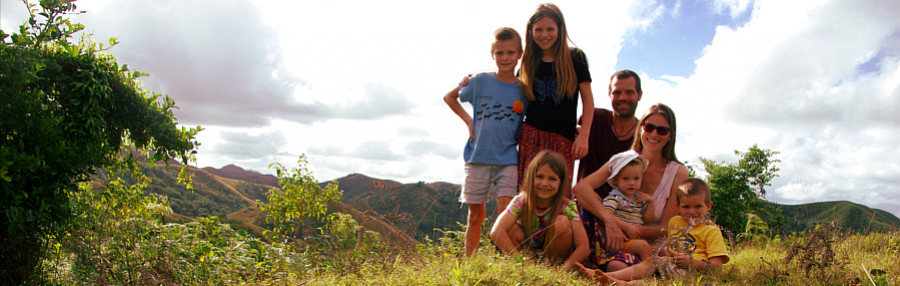
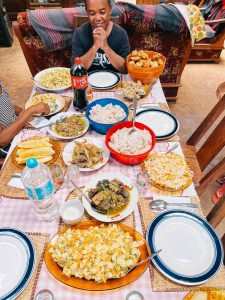
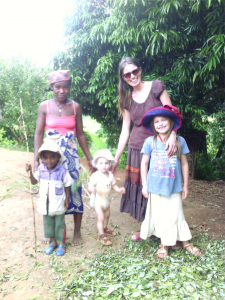 Friends and good neighbours help make a house a home, and that certainly goes for us here. We already knew Sylvestre, our first contact here who allowed AIM to build us a house on a plot of his land. We regularly share a meal. We have also become acquainted with the president of the fokontany, a high local government official, and his wife.
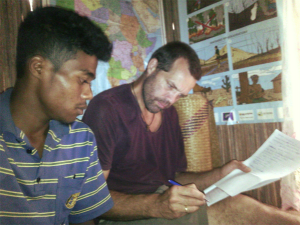 Then there is Menja, the local teacher, who has agreed to help Jurgen translate Bible stories into Tanala. They have already visited a remote village together.
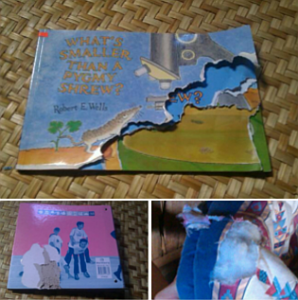 Then the rats. When we asked our friend maman’i Prisca whether she had rats in her house she said “Yes, in the roof.” Did that not bother her and keep her from sleep? “Oh well, we Malagasy sleep together with animals.” is what she replied. We honestly have a little trouble there. So far the rats have put their teeth in our food, soap, bedding, pillow covers, clothing, schoolbooks, toys, and wood. We are not amused. We gave Vanya a kitten, but she is still somewhat young to be on the job. In the meantime Jurgen is making us a ratproof cupboard for storing our fresh foods. No more rats on our tomatoes!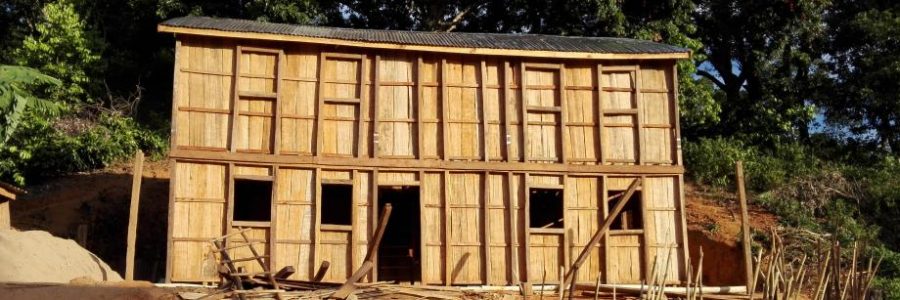
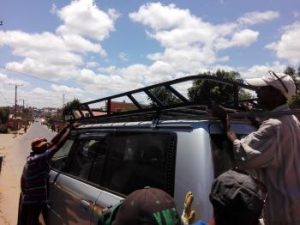 We wanted to visit the side earlier but putting all the car papers in our name took much longer than anticipated. Finally, we received all the papers… that is to say, the temporary papers. Hopefully he official papers will be ready at the end of December 2016. Jurgen’s Malagasy drivers licence is a whole different story. To get the official licence we need a visa that has to be still six months valid. This is not so straightforward as it might sound. When we apply for a visa (for the new year) we receive a paper that says that we have applied. With this paper we can travel but it is not the same as the official visa. Still, the validity of the visa starts as soon as we apply. In other words, if we receive the official visa after 4 months it will only be valid for eight more months. Our hope is that we will get our visa in time to transform the temporary licence to a permanent one.
 The national roads on Madagascar look very much like Dutch cheese with holes. This makes travelling very tiresome. At noon Issa and Jurgen arrived in a place call
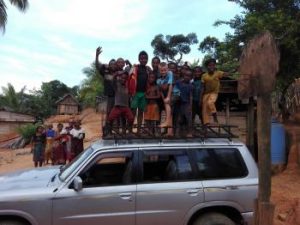 ed Abohimahasoa. There they stopped to spend the night in a hotel. The next day they travelled the second part. Near Ifanadiana one of the tires went flat, a piece of wood stuck right through. Fortunately help was not far. Jurgen stopped the car near one of the many police checkpoints and asked one of the officers for help. The officer first had to put his AK47 aside and then he stopped a lorry. He told the driver that the foreigners needed help. The lorry driver, together with a local, changed the wheel and said that there was no need for Jurgen to get his hands dirty. A few miles further the tire was repaired in Ifanadiana for about € 1,70.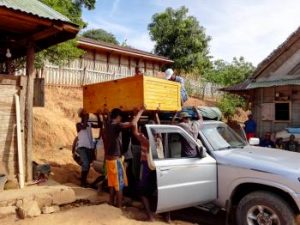
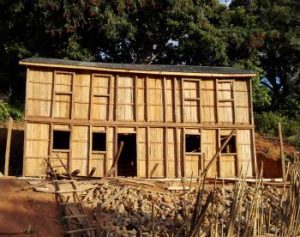
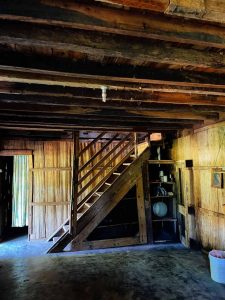
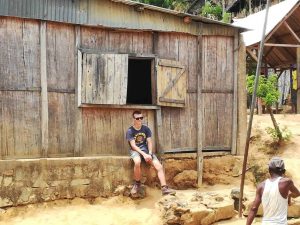
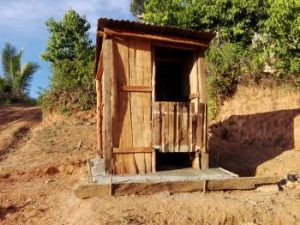 The house is situated next to a water-well with clean water. Most of the time there is enough pressure to install some plumbing. This is something the builder will look at. However, during Jurgen’s and Issa’s visit the well didn’t give much water due to a lack of rain. We will have to see whether we can solve this with a water reservoir that can collect and store rainwater. The house is mainly built of wood from the nearby rainforest. We will have, however, a tin roof and the ground floor is made of cement. The traditional houses have a leaf roof and a wooden or mud floor. This is a set up for trouble during the rainy season. Coming month we will look for a solar panel system. Solar panels are more common as many have a little system to recharge phones and the like.
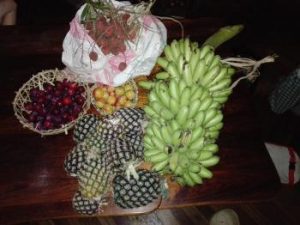 The came back with a lot of fruit given by the locals. We are planning another trip to Maroamboka soon. We will have to bring more furniture and other things like our bed and school material for the children. The builder estimated that we can move as a family somewhere in January 2017.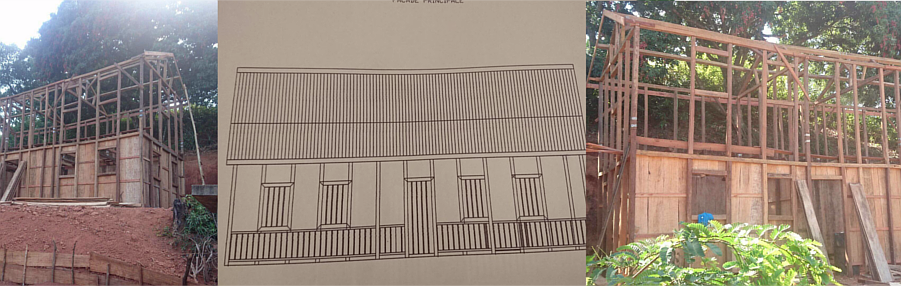
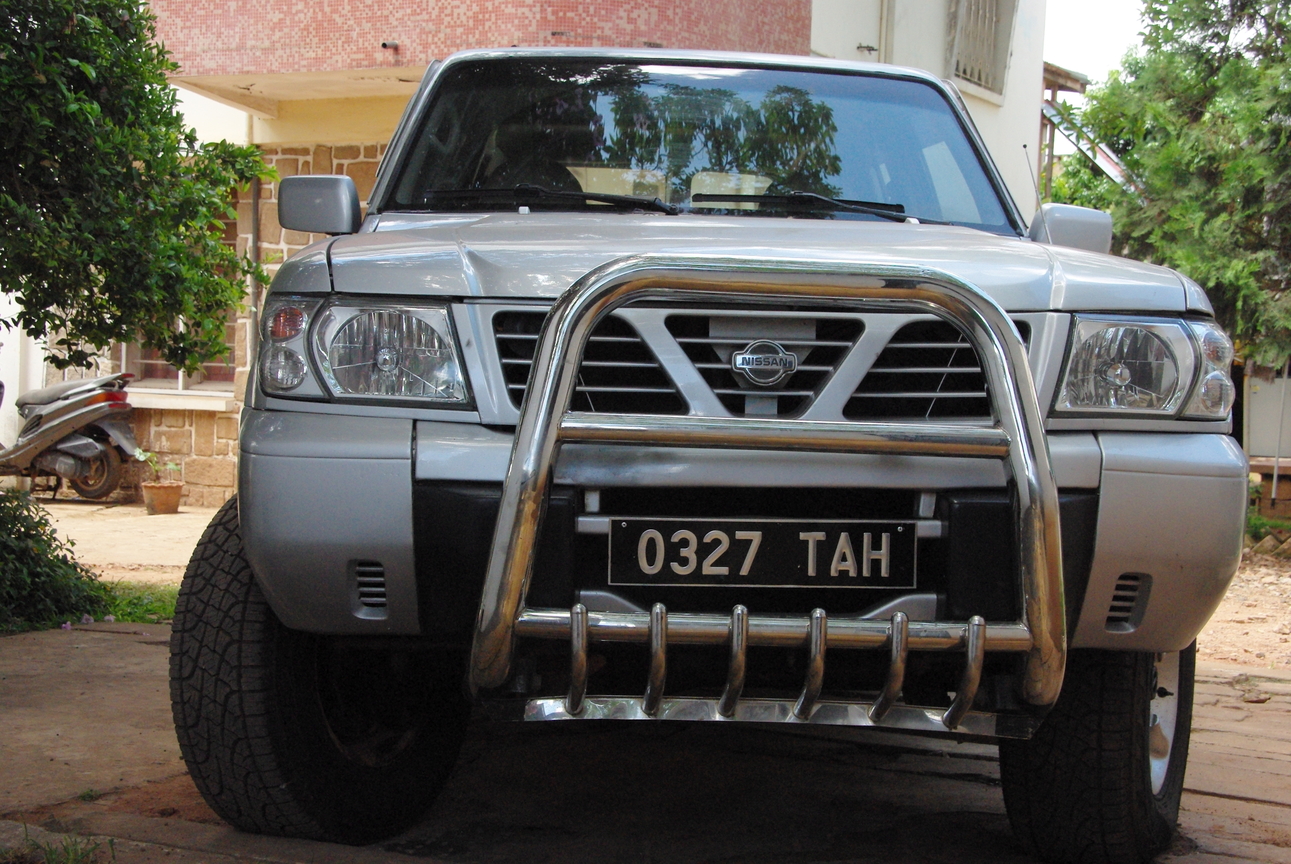
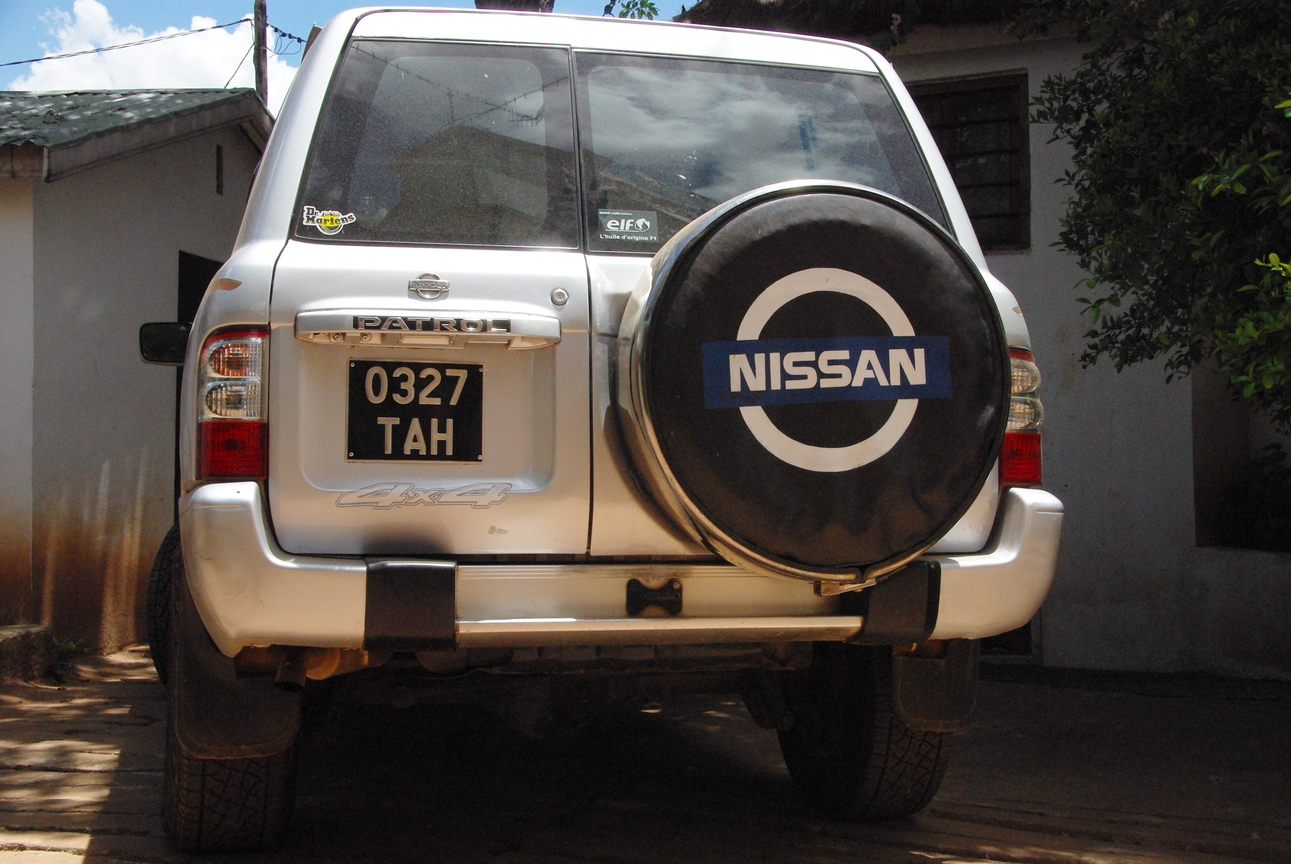
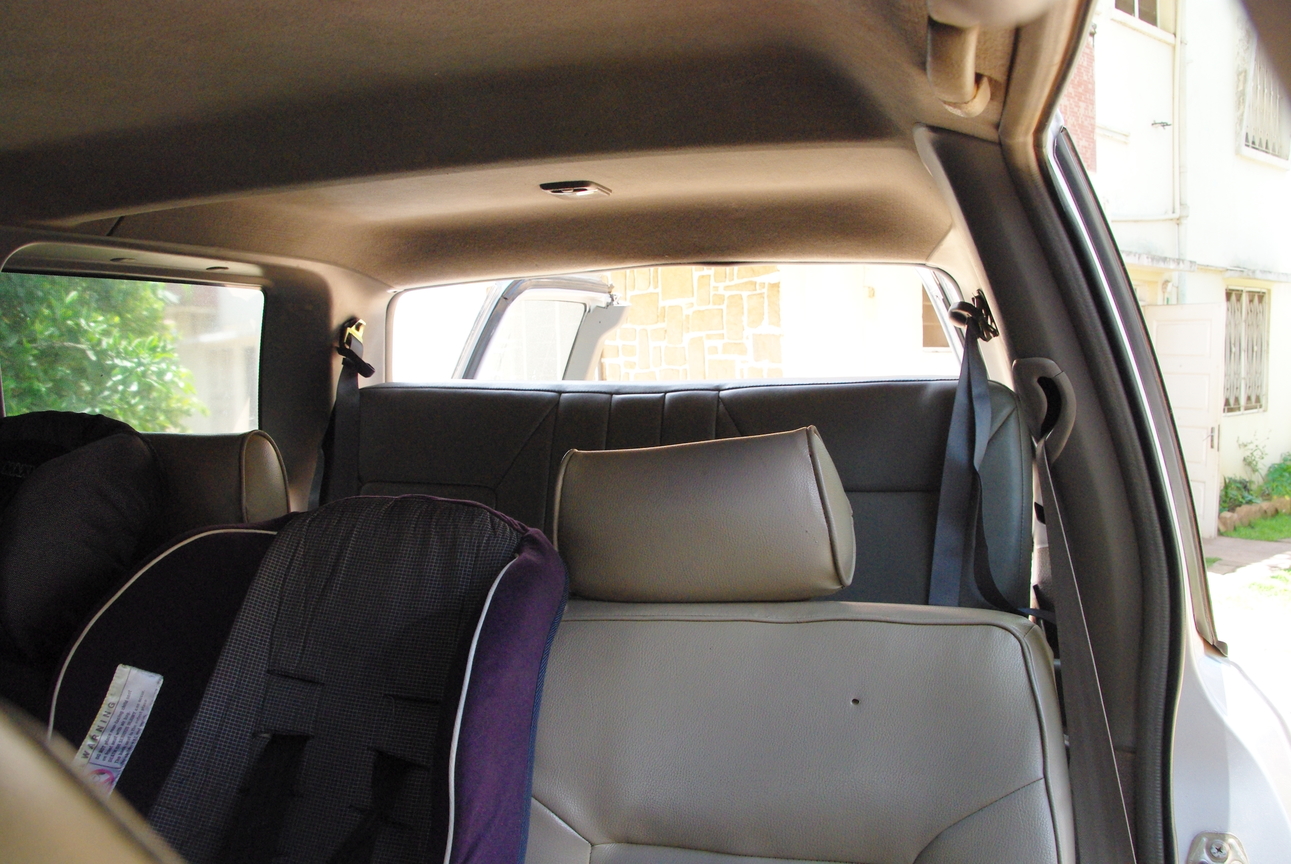
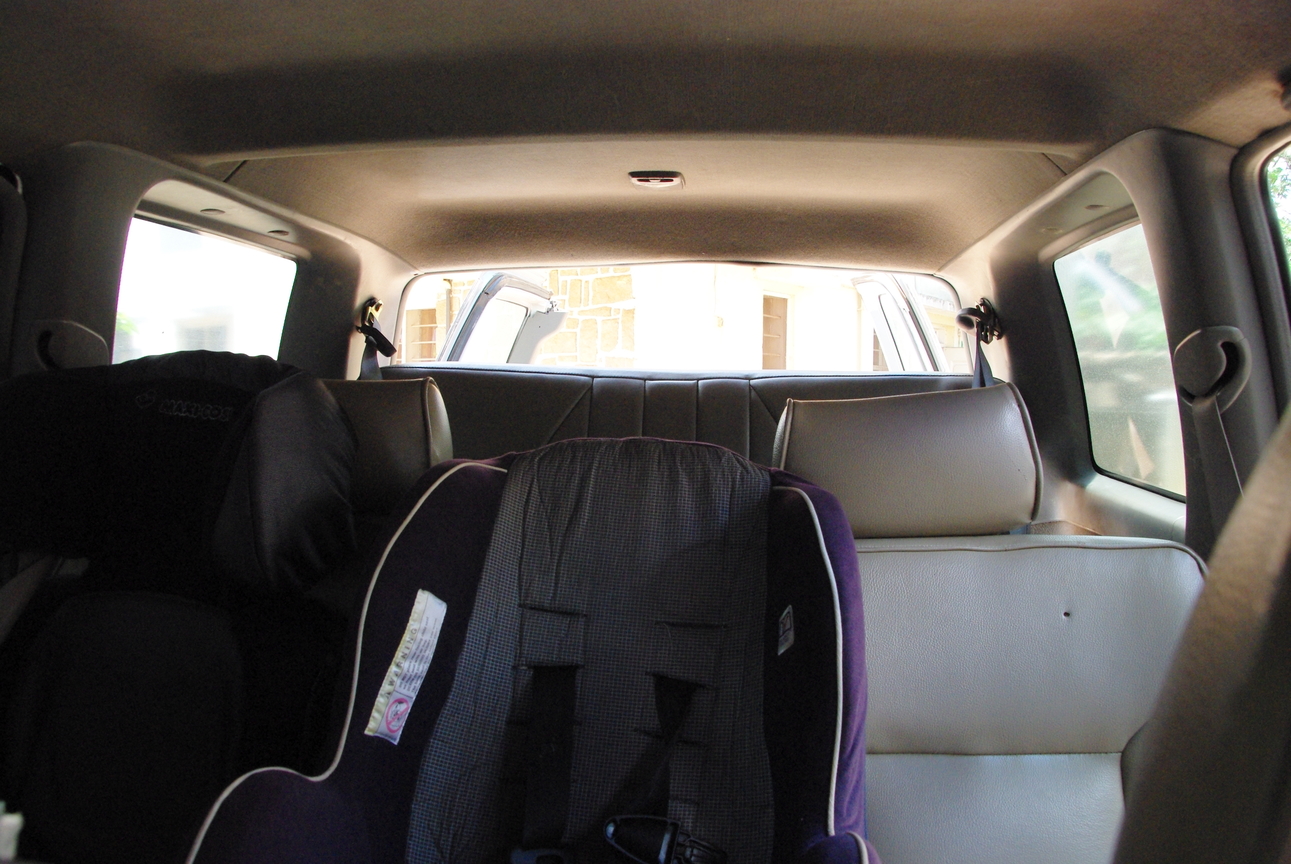
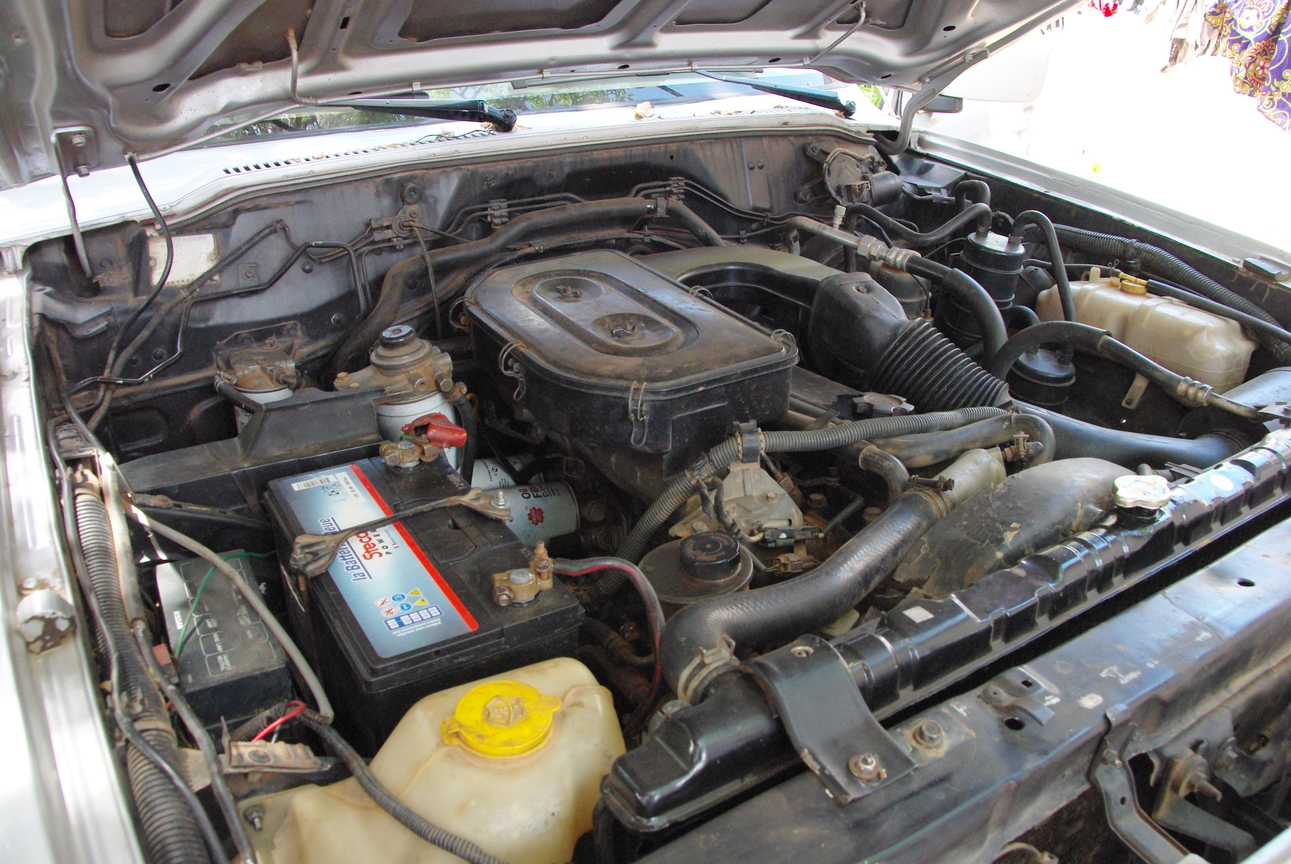
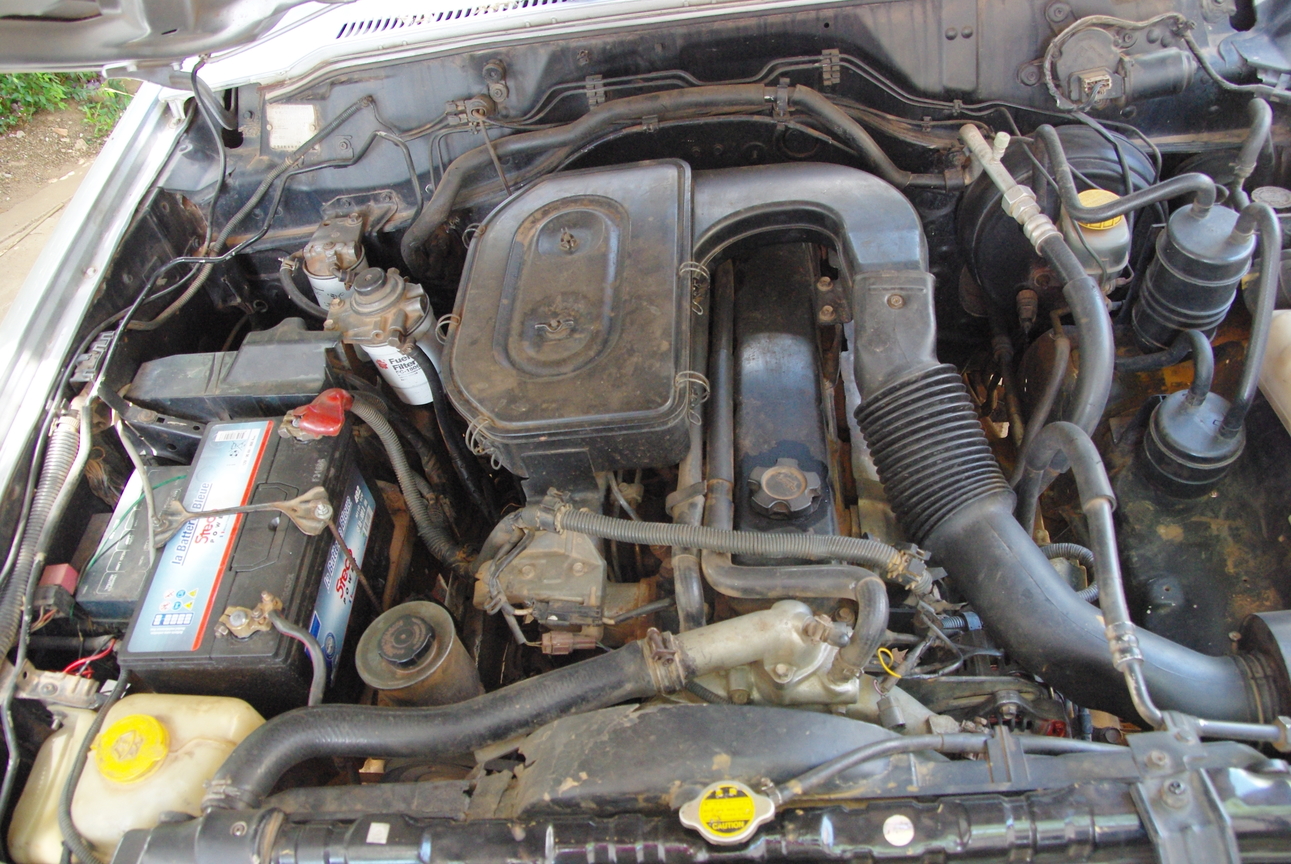
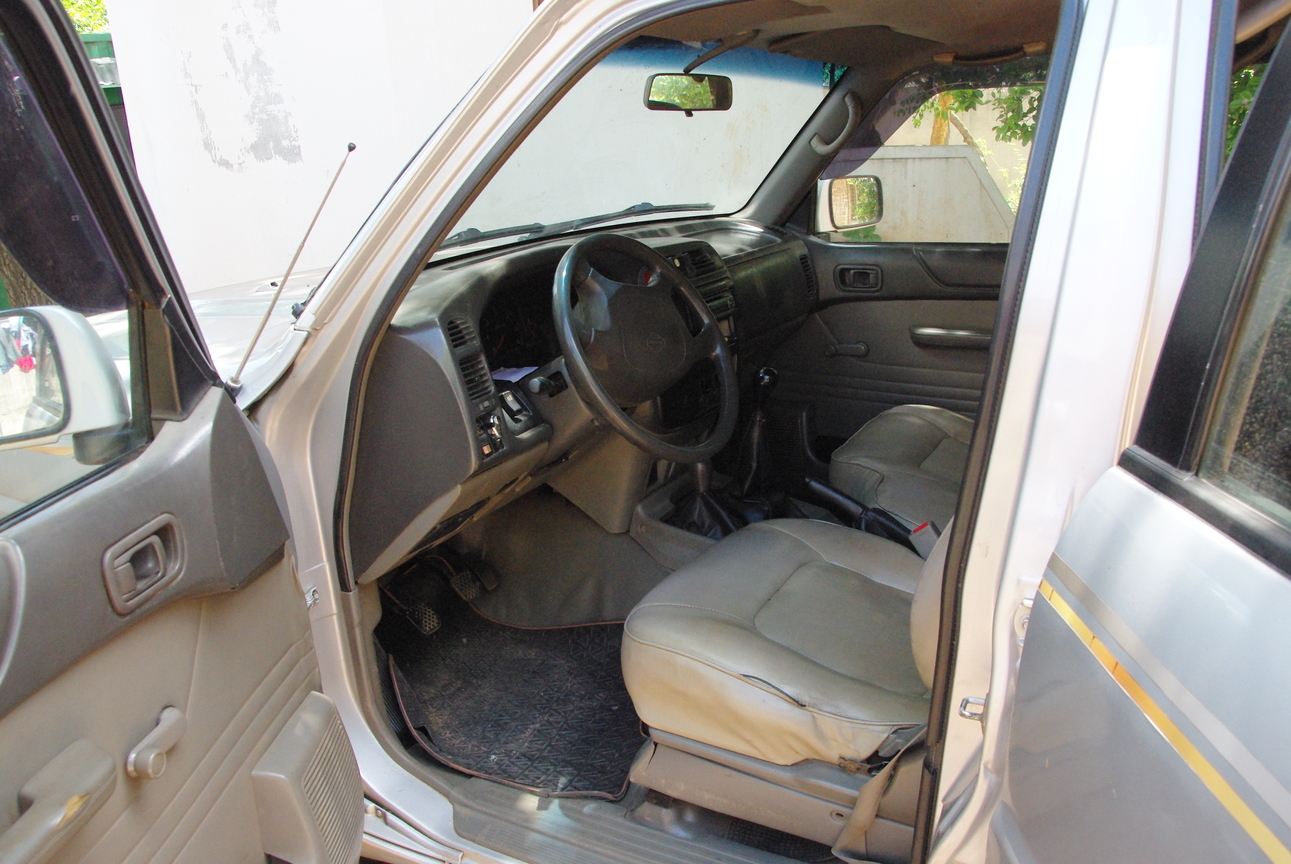
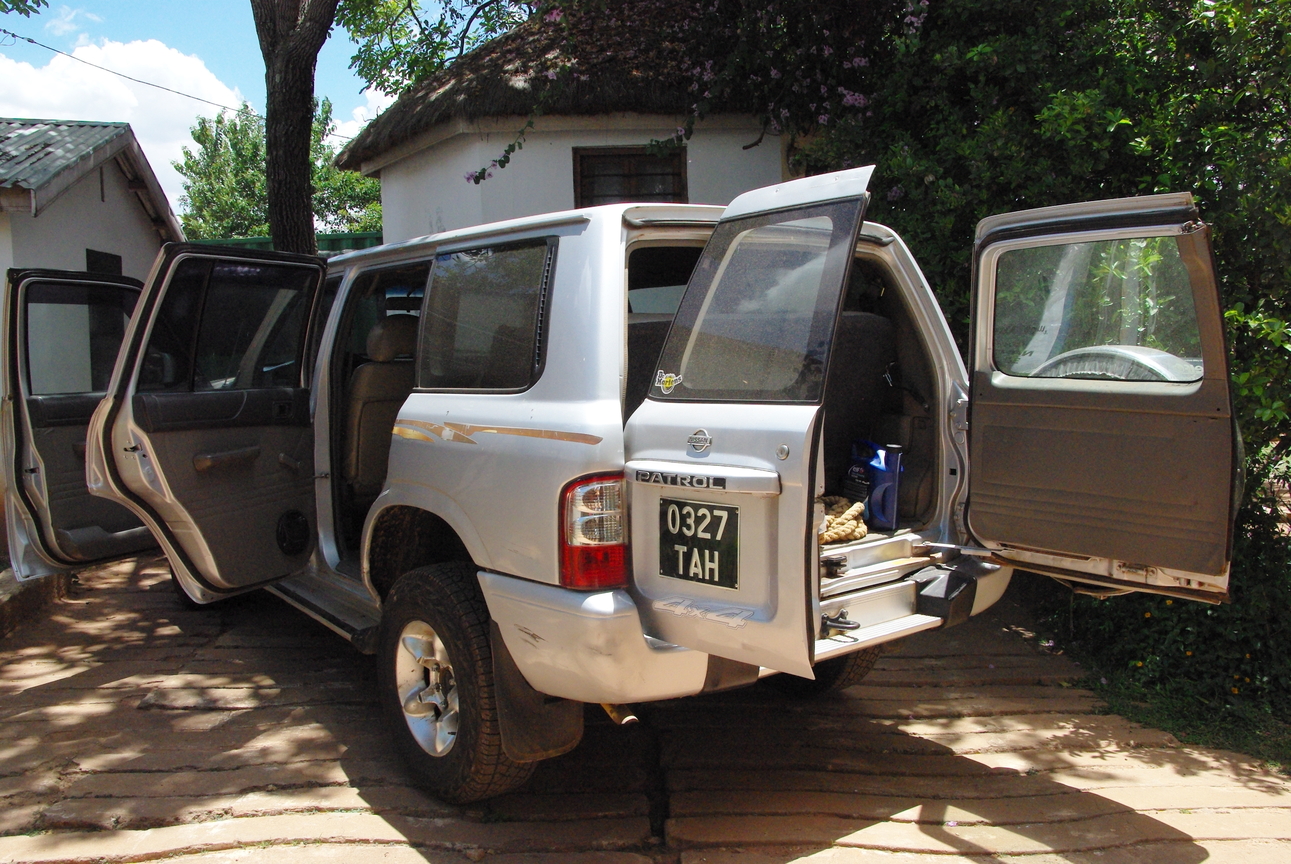
 This is it: our Nissan Patrol, built 1999. We had to search a long time for this mechanical vehicle, but now we have succeeded. It is important that the car is not only a four-wheel-drive, but also that it is mechanical rather than electrical. Mechanical cars are easier to repair; if necessary even by non-mechanics. Some simple tools and a phone in hand will come a long way. For the car-lovers among you: the engine is a 4.2 litre diesel, 6 cylinders. Click on the photo to see more pictures.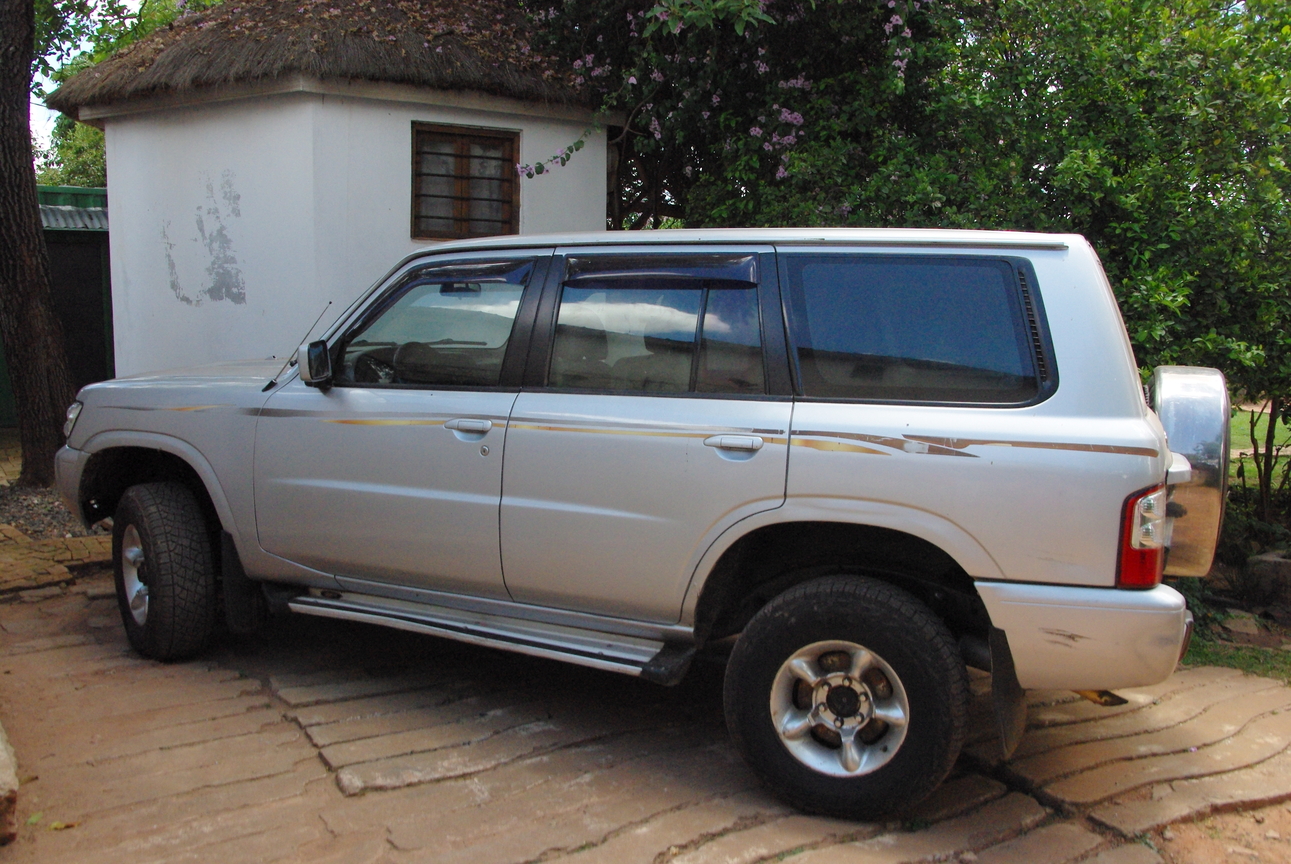
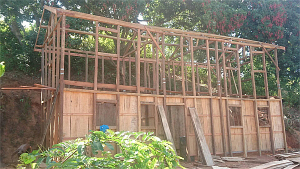 The builders al ready started to build our house. A couple of weeks ago we heard that the house was al ready finished for 50%. Initially we thought that they meant to say that the builder collected 50% of all the material, but no! He send us some pictures, which amazed us. We have good hopes that the house will be finished at the end of this month. However, the builder told us that the rain does make things harder. Still, we expect that we can move, as a family, at the beginning of the new year.
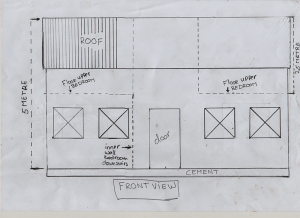 We have provided the drawings for the house ourselves. The builder adjusted a few things… and, as you can see, during the construction things have been changed a bit more. The ground surface will be around the 40m2. On each side of the house we will have a second floor with two bedrooms: One for the girls and one for the boys. The master bedroom will be on the ground floor with at the other side a living room with kitchen. Outside the house we will get a toilet and a washroom. Attached to the house we will get a porch where we can sit and dry our clothes. The builders use local material: the house will be made of wood with a concrete floor and a tin roof.